Hot weather can be hard on many parts of your home, including the garage door.
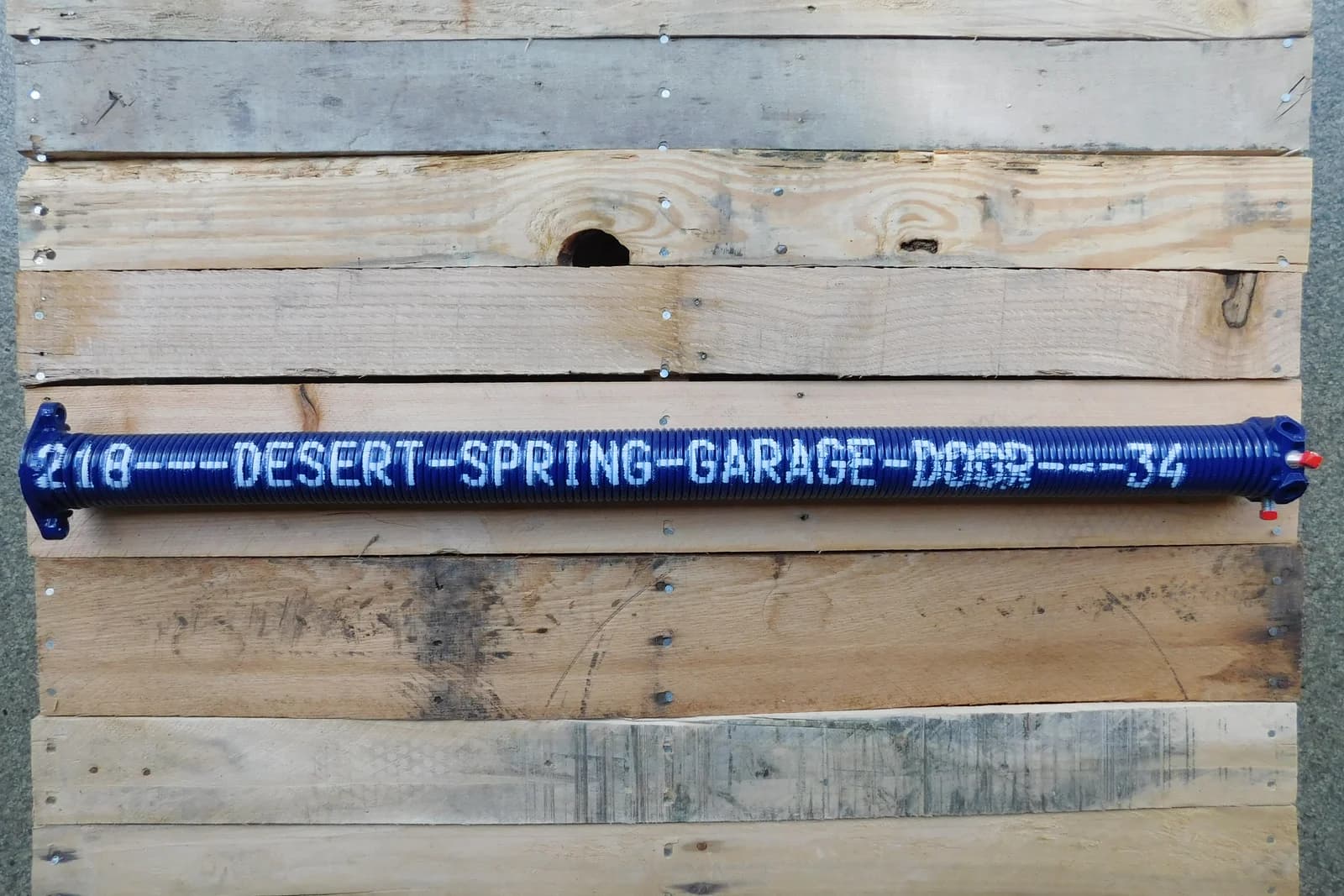
Garage door springs are made from metal and work under strong tension every time the door opens and closes. When temperatures stay high for long periods, that extra heat can add stress to parts that are already worn.
The result may be more noise, weaker spring performance, poor balance, or a sudden failure.
That does not mean heat alone always causes a spring to break. But it can make existing problems worse and shorten the time between small warning signs and a larger repair.
Understanding how heat affects the system can help homeowners know when to schedule garage door spring repair before the problem becomes serious.
Heat Can Increase Stress on Metal Springs
Garage door springs stretch, twist, and release tension every time the door moves.
That repeated movement already puts stress on the metal.
Extreme heat can add another layer of stress because metal expands when temperatures rise.
During very hot weather, the spring may go through repeated heating and cooling cycles.
Over time, this can contribute to fatigue, especially if the spring is already old or has been through many opening and closing cycles.
You may begin to notice:
- New squeaking or popping sounds
- Slower door movement
- Poor balance
- A heavier feeling door
- Uneven movement
- More strain from the opener
These signs do not always mean the spring is about to fail, but they are worth checking.
A professional can inspect the spring and determine whether the metal still has enough strength and tension to support the door properly.
High Temperatures Can Dry Out Lubrication Faster
Garage door springs and other moving parts often depend on proper lubrication to reduce friction.
Extreme heat can cause lubricants to dry out or break down faster.
When that happens, the spring and nearby parts may begin rubbing more than they should.
This can lead to:
- Squeaking
- Grinding
- Rough movement
- Extra friction
- Faster wear
- More vibration
Poor lubrication can also affect rollers, hinges, and bearings.
When several parts begin moving with extra resistance, the spring has to work harder.
That can increase wear across the entire system.
Homeowners should not spray random products on the spring.
The wrong lubricant can attract dust or fail to protect the metal properly.
A technician can recommend the correct product and apply it safely.
Heat Can Make Existing Rust and Corrosion Problems Worse
Heat alone does not cause rust, but hot conditions combined with moisture can accelerate corrosion.
This is especially true in garages that are humid or poorly ventilated.
Rust weakens the spring's surface.
It can also increase friction between the coils.
Over time, the metal may become more prone to cracking or failure.
Watch for:
- Rust spots
- Flaking metal
- Rough spring surfaces
- Corrosion near hardware
- Squeaking that continues after normal service
Do not touch or scrape the spring to test it.
Garage door springs operate under strong tension.
If the spring looks rusty or damaged, a professional inspection is the safer choice.
Hot Weather Can Make a Weak Spring Show Problems Faster
A spring that is already worn may continue to work in mild weather.
Extreme heat can make the weakness more noticeable.
You may notice the door becoming harder to open during the hottest part of the day.
The opener may sound louder or take longer to lift the door.
This can happen because the system is experiencing greater friction and stress simultaneously.
Signs may include:
- The door rises more slowly
- The opener sounds strained
- The door stops before fully opening
- The door does not stay balanced
- Movement becomes rough
These changes are important because they may indicate that the spring is already nearing the end of its useful life.
Garage door spring repair may help if the issue comes from balance or nearby hardware.
If the spring itself is badly worn, replacement may be the better option.
Extreme Heat Can Put More Pressure on the Garage Door Opener
A weak spring does not only affect the spring system.
It can also make the garage door opener work much harder.
The opener is not designed to carry the full weight of the garage door.
When the spring loses strength, the motor may need to provide more lifting force.
During hot weather, the opener may already be operating in a warm garage.
Extra load can lead to:
- Overheating
- Slow movement
- Motor strain
- Grinding sounds
- Worn gears
- Shorter opener life
If the opener suddenly seems weaker during hot weather, the problem may not be the motor alone.
A technician should also check spring tension and door balance.
Fixing the real cause can help protect the opener.
Garage Doors May Be Used More During Hot Seasons
Daily use can also affect spring wear.
Every time the door opens and closes, the spring completes another cycle.
During hot seasons, some households may use the garage more often.
People may come and go more frequently, move outdoor equipment, or use the garage for storage and projects.
More cycles mean more wear.
This is especially important for older springs.
A spring that is already near the end of its normal life may fail sooner when use increases.
Regular inspection can help catch wear before a busy season creates a sudden problem.
Signs You May Need Garage Door Spring Repair During Hot Weather
Heat-related spring problems can look similar to normal wear.
Pay attention to changes in how the door moves and sounds.
Common warning signs include:
- Loud squeaking
- Popping near the spring
- Slow opening
- Uneven movement
- A heavy-feeling door
- Opener strain
- Rust or visible wear
- The door not staying partly open
If the spring has a visible gap or the door suddenly becomes extremely heavy, stop using the system.
That may mean the spring has broken.
Do not continue pressing the opener.
This can damage the motor and other parts.
What Homeowners Can Do to Reduce Heat-Related Wear
You cannot control the weather, but you can reduce unnecessary stress on the garage door system.
Helpful steps include:
- Keep the garage ventilated when possible
- Pay attention to new sounds
- Schedule regular inspections
- Keep the system properly lubricated
- Fix balance problems early
- Do not ignore rust
- Avoid forcing a stuck door
- Have worn parts repaired before peak heat
A little attention can help prevent small problems from becoming larger ones.
It is also a good idea to schedule service before the hottest months if the door already shows signs of wear.
Why Professional Inspection Matters
Garage door spring problems are not always easy to diagnose from appearance alone.
A spring may look normal but still have poor tension.
A technician can check:
- Spring condition
- Door balance
- Cable tension
- Rollers
- Tracks
- Bearings
- Opener strain
- Hardware condition
This helps determine whether heat is worsening an existing problem or another part is causing the issue.
A full inspection can also help prevent unnecessary repairs.
The goal should be to fix the actual cause.
Do Not Try to Adjust a Hot or Worn Spring Yourself
Garage door springs are dangerous to handle because they store a large amount of energy.
Heat does not make them safer.
If a spring is worn, rusty, or poorly balanced, trying to adjust it without the proper tools can be risky.
Professional technicians can safely:
- Secure the door
- Inspect the spring
- Check tension
- Test balance
- Repair related parts
- Replace the spring if needed
- Confirm smooth operation
Spring work should be left to someone trained to handle the tension safely.
Protect Your Garage Door During Extreme Heat
Extreme heat can make garage door spring problems appear faster, especially when the spring is already worn.
High temperatures can increase metal stress, reduce lubrication, and add strain to the opener and other moving parts.
The best approach is to catch changes early.
If your garage door starts moving slowly, making new sounds, or feeling heavier during hot weather, do not ignore it.
Desert Spring Garage Door Repair can inspect your spring system and determine whether garage door spring repair is needed.
Contact Desert Spring Garage Door Repair to schedule an inspection and help keep your garage door working safely through the hottest months. Call or text (602) 694-3212.